
PhD Research Support

Supporting Researchers From Research Idea to Publication

Build your research with a clear direction, structured methodology and focused academic guidance. From selecting a research topic to developing your thesis and preparing research publications, we support every important stage of your research journey.

Research Topic & Problem Identification
Methodology & Implementation Guidance
Thesis & Research Documentation
Research Paper & Publication Support
PhD Research Support
Research Idea Topic & Problem
Thesis Support Structured Guidance
Research Ready

Your Research Journey, Step by Step

A structured research journey designed to support scholars from the initial research idea through thesis development and publication preparation.

STAGE 01

Research Topic

Identifying a focused research direction aligned with your academic field, interests and research objectives.

STAGE 02

Problem Identification

Defining a clear and researchable problem by understanding existing studies and identifying the direction of the research.

STAGE 03

Literature Review

Reviewing relevant research to understand existing knowledge, research gaps and opportunities for contribution.

STAGE 04

Research Methodology

Designing a suitable and defensible research methodology based on the objectives and requirements of the study.

STAGE 05

Research Implementation

Executing the planned research approach, experiments, development activities and technical implementation.

STAGE 06

Data Analysis

Analysing research results using appropriate statistical, computational or analytical techniques.

STAGE 07

Thesis Development

Organising research findings into structured thesis chapters with clear explanations, documentation and academic presentation.

STAGE 08

Research Paper

Developing research manuscripts from the study findings with appropriate structure, technical writing and references.

STAGE 09

Publication Preparation

Preparing the completed research manuscript according to the requirements of the selected journal or conference.

Discuss Your Research
RESEARCH SOFTWARE & TOOLS

Tools for Research & Analysis

Research work often involves different software and analytical tools for programming, data analysis, simulation, qualitative research and academic documentation.

CATEGORY 01

Programming & Computing

Python Programming & Data Analysis
MATLAB Computing & Research Analysis
CATEGORY 02

Data Analysis

Microsoft Excel Data Organisation & Analysis
Statistical Analysis Research Data Evaluation
CATEGORY 03

Network Simulation

NS-2 Network Simulation
NS-3 Network Research & Simulation
CATEGORY 04

Qualitative Research

NVivo Qualitative Data Analysis
Research Analysis Coding & Thematic Analysis
CATEGORY 05

Academic Documentation

Microsoft Word Thesis & Manuscript Preparation
LaTeX Academic Document Preparation
CATEGORY 06

Research References

Mendeley Reference Management
Zotero Research Reference Organisation
RESEARCH DOMAINS

Explore PhD Research Domains

Explore research opportunities across emerging engineering and technology disciplines with focused academic and technical guidance.
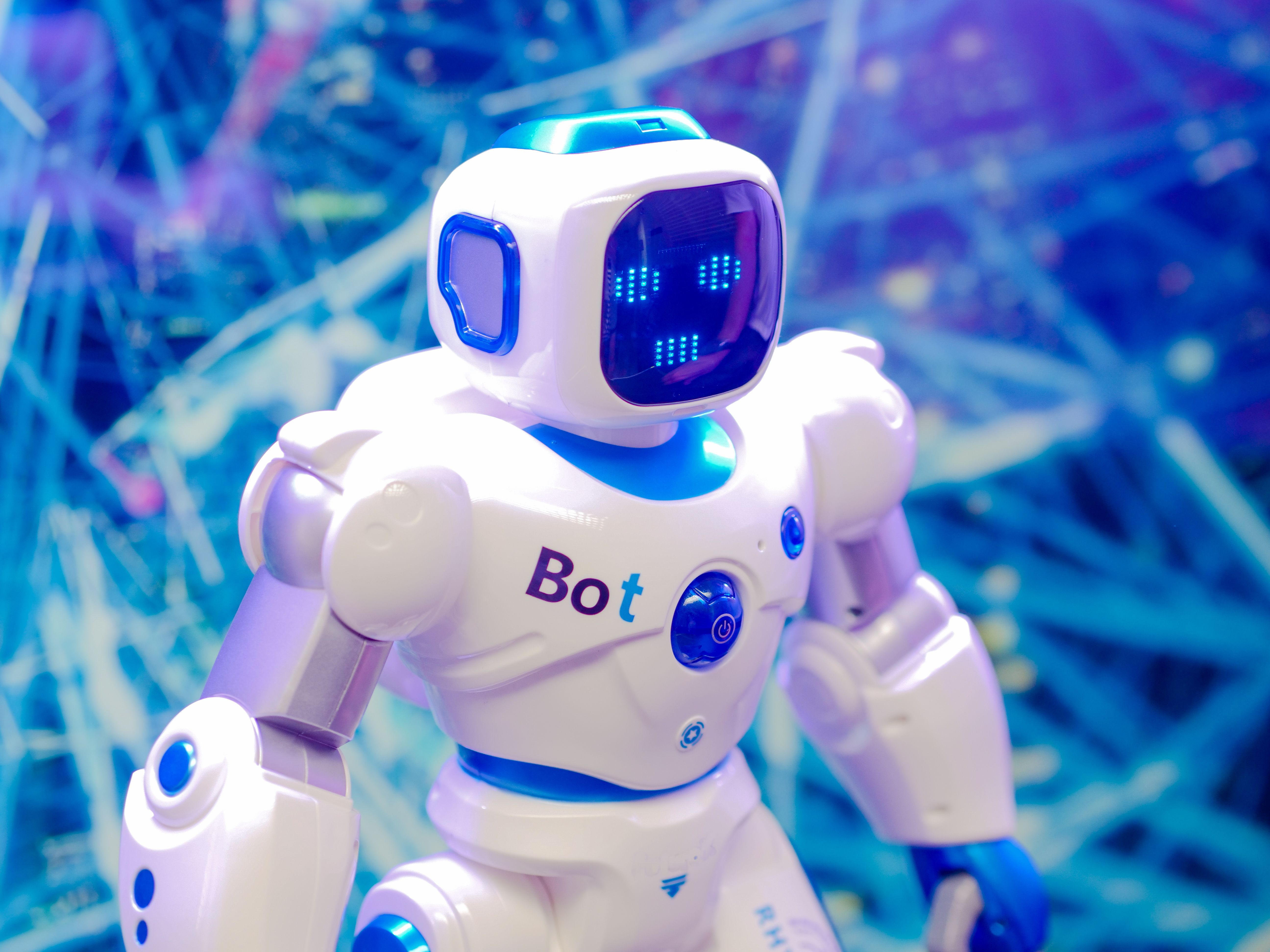
Artificial Intelligence
01

Artificial Intelligence

Advanced research in intelligent systems, decision making and emerging AI applications.

Machine Learning
02

Machine Learning

Research focused on predictive modelling, intelligent learning and data-driven systems.
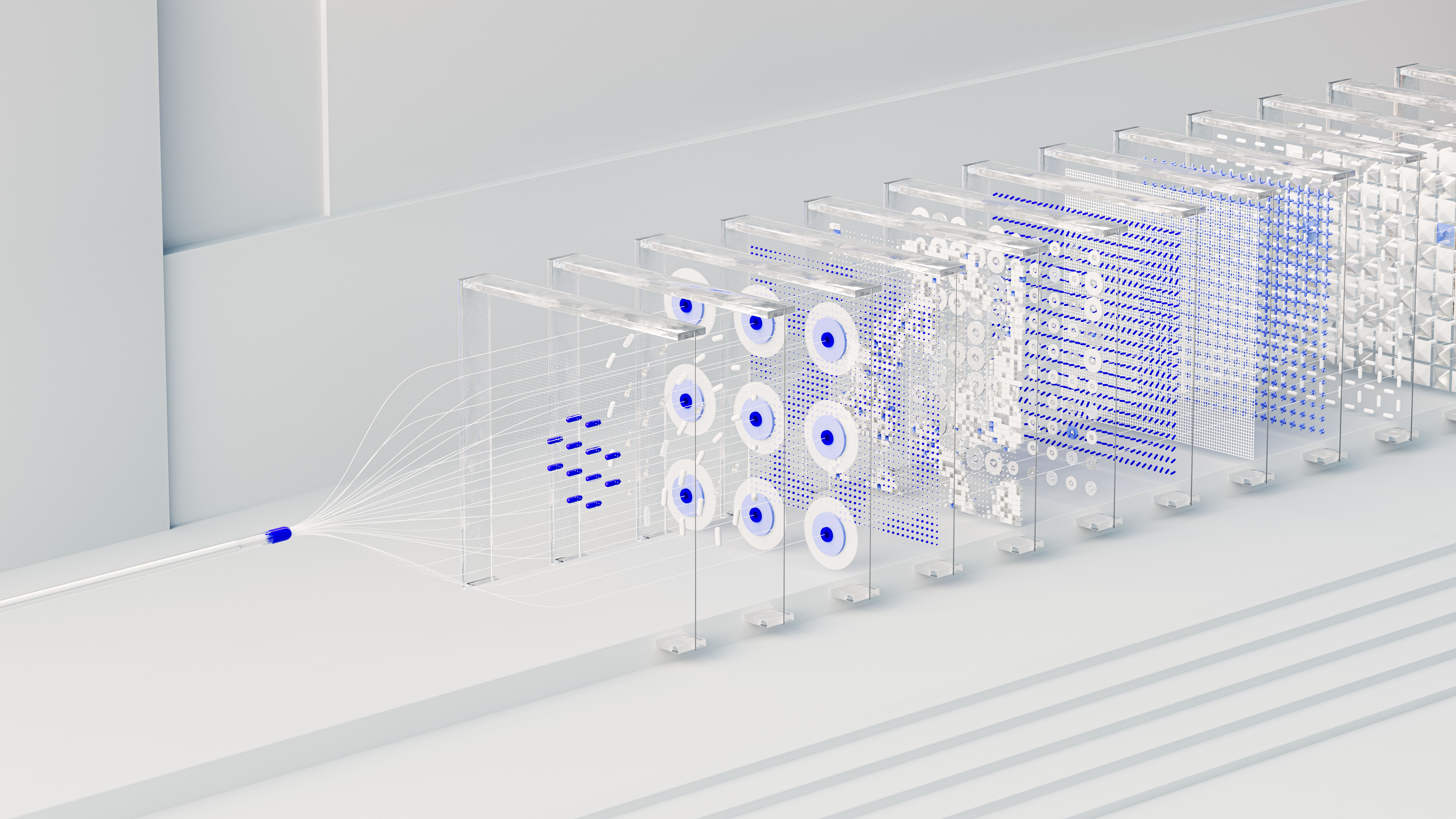
Deep Learning
03

Deep Learning

Research involving deep neural architectures, representation learning and intelligent applications.

Cloud Computing
04

Cloud Computing

Research in scalable computing, cloud infrastructure and distributed services.
Computer Vision
05

Computer Vision

Research in visual understanding, image analysis and intelligent vision systems.
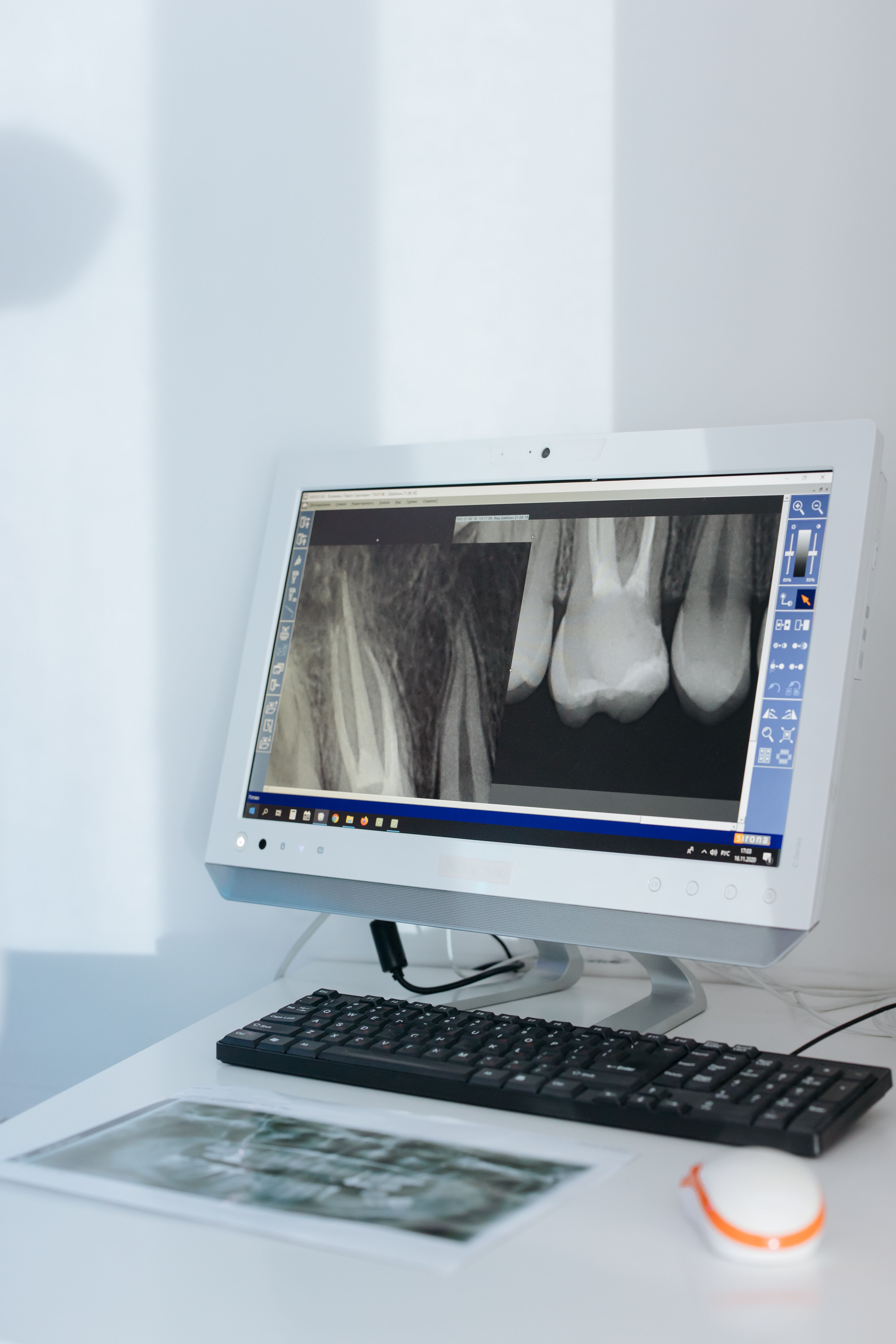
Healthcare Research
06

Healthcare

Research focused on intelligent healthcare systems, medical data and disease analysis.

Wireless Sensor Networks
07

Wireless Sensor Networks

Research in sensor communication, distributed sensing and intelligent network systems.

Cybersecurity
08

Cybersecurity

Research focused on protecting systems, data and digital environments from threats.

Network Security
09

Network Security

Research in secure communication, network protection and intelligent security systems.

Blockchain
10

Blockchain

Research in decentralized systems, secure transactions and distributed technologies.

Big Data
11

Big Data

Research involving large-scale data processing, analytics and data-driven decision systems.

Quantum Computing
12

Quantum Computing

Emerging research in quantum information, computation and next-generation technologies.

Human Computer Interaction
13

Human Computer Interaction

Research focused on user experience, interaction design and human-centred systems.

Bioinformatics
14

Bioinformatics

Research combining biological information, computational methods and data analysis.

Thesis Writing

From Topic Selection to Thesis Development

A structured approach to developing a clear, focused and academically sound thesis.

01

Topic Selection

Selecting a relevant and research-worthy thesis topic aligned with your academic field, interests and research objectives.

02

Problem Identification

Identifying a clear research problem by reviewing existing studies, understanding research gaps and establishing the direction of the study.

03

Synopsis

Developing a clear and structured research synopsis presenting the proposed study, objectives, methodology and expected outcomes.

04

Thesis Development

Developing and structuring the thesis with clear chapters, coherent research findings, proper documentation and academic standards.

PUBLICATION SUPPORT

Support Across Leading Academic Publishers

We support researchers in preparing manuscripts, formatting papers and understanding submission requirements for leading academic publishers.

Elsevier

Journal formatting and manuscript preparation support.

IEEE

Technical paper formatting and submission guidance.

Taylor & Francis

Manuscript preparation and journal submission support.

Wiley

Research manuscript preparation and publication guidance.

Inderscience

Paper formatting and submission preparation support.

THE PHD JOURNEY

From Admission to PhD Completion

A structured overview of the key stages involved in progressing from PhD admission to research completion, publication and viva voce.

01
ADMISSION

Application & Registration

Submission of the PhD application, eligibility documents and registration requirements.

02
SELECTION

Entrance Exam & Interview

Completing the required entrance examination and interview or selection process.

03
FOUNDATION

Coursework

Completing prescribed coursework and developing the academic foundation required for the research.

04
RESEARCH PLANNING

Research Proposal

Defining the research problem, objectives, methodology, scope and proposed contribution.

05
APPROVAL

Proposal Confirmation

Presenting the research proposal for review, evaluation and confirmation according to institutional requirements.

06
REVIEW

DC Meetings

Presenting research progress, receiving feedback and reviewing the direction of the research.

07
RESEARCH

Research & Progress

Conducting experiments, collecting data, implementing the proposed methodology and analysing research findings.

08
PUBLICATION

Research Paper Publications

Preparing and submitting research papers to suitable journals or conferences based on institutional requirements.

09
THESIS

Thesis Preparation

Structuring research findings, preparing thesis chapters and completing the final research documentation.

10
FINAL EVALUATION

Thesis Viva Voce

Defending the research work before the evaluation panel and responding to questions about the research.

11
COMPLETION

PhD Completion

Completion of the required academic and institutional formalities leading to the award of the doctoral degree.

RESEARCH DOMAINS

Explore Our PhD Research Areas

We support research scholars across emerging and interdisciplinary research areas, from artificial intelligence and healthcare to cybersecurity, blockchain, quantum computing and bioinformatics.

01
RESEARCH DOMAIN 01

Artificial Intelligence

Research in artificial intelligence focuses on developing intelligent systems capable of learning, reasoning, decision-making and solving complex real-world problems.

AI Research Topics

Hierarchical Multimodal Transformer with Causal Attention and Contextual Memory for Complex Intelligent Environments
Causal Continual Learning Framework with Uncertainty-Aware Knowledge Adaptation for Reliable Artificial Intelligence
Multimodal Agentic AI with Hierarchical Planning and Neuro-Symbolic Reasoning for Autonomous Decision-Making
Graph-Augmented Multimodal Foundation Model with Causal Reasoning for Explainable Intelligent Decision Support
Adaptive Neuro-Symbolic Multimodal AI with Causal Reasoning for Reliable Decision- Making in Dynamic Environments
Self-Supervised Multimodal Foundation Learning with Cross-Modal Knowledge Alignment for Generalizable Artificial Intelligence
Meta-Learning-Driven Adaptive AI with Continual Knowledge Transfer for Rapid Adaptation to Dynamic Environments
02
RESEARCH DOMAIN 02

Machine Learning

Machine learning research explores algorithms and computational models that learn patterns from data to perform prediction, classification and intelligent decision-making.

Machine Learning Topics

Adaptive Meta-Learning Framework for Few-Shot Learning in Dynamic Environments
Federated Continual Learning for Privacy-Preserving Distributed Intelligence
Uncertainty-Aware Machine Learning for Reliable Real-Time Prediction
Causal Machine Learning for Robust Prediction Under Distribution Shifts
Self-Supervised Machine Learning for Learning from Limited and Unlabeled Data
Graph-Based Machine Learning for Spatiotemporal Prediction in Complex Networks
Explainable Ensemble Learning for High-Dimensional Decision Support Systems
Automated Machine Learning Framework for Resource-Constrained Edge Intelligence
03
RESEARCH DOMAIN 03

Deep Learning

Deep learning research investigates neural network architectures for learning complex representations from images, text, audio, video and other high dimensional data.

Deep Learning Topics

Self-Supervised Deep Learning for Robust Representation Learning Under Limited Data
Transformer-Based Spatiotemporal Deep Learning for Multivariate Forecasting
Multimodal Deep Learning Framework for Robust Cross-Domain Prediction
Lightweight Deep Neural Architecture for Real-Time Edge Intelligence
Continual Deep Learning for Adaptive Recognition in Non-Stationary Environments
Explainable Transformer-Based Deep Learning for Reliable Decision Support
Generative Deep Learning for Synthetic Data Augmentation and Rare-Event Prediction
Hybrid CNN-Transformer Architecture for Fine-Grained Pattern Recognition
04
RESEARCH DOMAIN 04

Cloud Computing

Cloud computing research focuses on scalable, distributed and intelligent computing environments for data processing, application deployment, resource management and secure services.

Cloud Computing Topics

AI-Driven Resource Orchestration for Energy-Efficient Cloud-Edge Computing
Federated Cloud-Edge Architecture for Privacy-Preserving Distributed Intelligence
Digital Twin-Based Intelligent Resource Management for Cloud Computing
Deep Reinforcement Learning-Based Dynamic Workload Scheduling in Cloud Data Centers
Zero-Trust Security Framework for Multi-Cloud Computing Environments
Serverless Computing Optimization Using Predictive Workload Intelligence
Carbon-Aware Intelligent Scheduling for Sustainable Cloud Data Centers
Autonomous Cloud Resource Management Using Reinforcement Learning
05
RESEARCH DOMAIN 05

Computer Vision

Computer vision research develops intelligent systems that interpret and analyse images, videos and visual information for automated understanding and decision-making.

Computer Vision Topics

Vision Transformer-Based Explainable Framework for Fine-Grained Object and Anomaly Recognition
Self-Supervised Computer Vision for Limited-Annotation Image Recognition
Multimodal Vision-Language Framework for Context-Aware Visual Understanding
Continual Learning-Based Computer Vision for Evolving Visual Environments
Lightweight Vision Transformer for Real-Time Edge-Based Object Detection
Generative AI-Assisted Framework for Rare-Anomaly Detection in Images
3D Computer Vision Framework for Intelligent Scene Understanding
Domain-Adaptive Computer Vision for Robust Cross-Environment Recognition
06
RESEARCH DOMAIN 06

Healthcare & Disease Prediction

Healthcare research combines computational methods, artificial intelligence and data analytics to support disease prediction, medical image analysis and intelligent healthcare applications.

Healthcare Research Topics

Explainable Multimodal AI Framework for Early Disease Prediction and Clinical Decision Support
Federated Learning-Based Privacy-Preserving Healthcare Prediction System
Multimodal Deep Learning for Early Detection of Complex Diseases
Temporal Transformer-Based Framework for Predictive Healthcare Analytics
Digital Twin-Based Personalized Disease Risk Prediction
Causal AI for Reliable and Interpretable Clinical Risk Prediction
Self-Supervised Learning for Disease Prediction from Limited Clinical Data
Uncertainty-Aware AI for Reliable Medical Diagnosis and Prognosis
Graph Neural Network-Based Patient Similarity Modeling for Disease Prediction
Generative AI-Based Synthetic Clinical Data Generation for Privacy-Preserving Healthcare Analytics
07
RESEARCH DOMAIN 07

Wireless Sensor Networks

Wireless sensor network research focuses on distributed sensing, communication, energy efficiency and intelligent monitoring across connected sensor environments.

WSN Research Topics

AI-Driven Energy-Aware Routing and Resource Optimization in Wireless Sensor Networks
Deep Reinforcement Learning-Based Adaptive Routing for Dynamic Wireless Sensor Networks
Federated Learning-Based Intrusion Detection in Wireless Sensor Networks
Digital Twin-Based Intelligent Management of Wireless Sensor Networks
Trust-Aware Secure Routing for Energy-Constrained Wireless Sensor Networks
AI-Based Fault Detection and Self-Healing Mechanism for Wireless Sensor Networks
Edge Intelligence-Based Real-Time Anomaly Detection in Wireless Sensor Networks
Blockchain-Enabled Secure and Trustworthy Data Management in Wireless Sensor Networks
Joint Localization and Routing Optimization Using Deep Learning
Energy Harvesting-Aware Intelligent Resource Allocation for Sustainable WSNs
08
RESEARCH DOMAIN 08

Cyber Security

Cybersecurity research addresses methods for protecting systems, applications, networks and digital information against evolving cyber threats and security vulnerabilities.

Cyber Security Topics

Federated Deep Learning Framework for Privacy-Preserving Network Intrusion Detection
Explainable AI-Based Adaptive Cyberattack Detection and Response
Graph Neural Network-Based Detection of Advanced Persistent Threats
Zero-Trust Architecture with AI-Driven Continuous Threat Detection
Adversarially Robust Deep Learning for Cyberattack Detection
Continual Learning-Based Intrusion Detection Against Evolving Cyber Threats
AI-Driven Ransomware Detection Using Behavioral and Temporal Analysis
Multimodal Threat Intelligence Framework for Early Cyberattack Prediction
Digital Twin-Based Cybersecurity Framework for Network Threat Simulation
Federated Graph Learning for Distributed Cyber Threat Detection
9
RESEARCH DOMAIN 9

Blockchain Technology

Blockchain research explores decentralized, transparent and tamper-resistant technologies for secure data management, transactions and distributed applications.

Blockchain Topics

AI-Driven Adaptive Consensus Mechanism for Secure and Energy-Efficient Blockchain Networks
Blockchain-Enabled Federated Learning for Privacy-Preserving Distributed Intelligence
Machine Learning-Based Fraud and Anomaly Detection in Blockchain Transactions
Sharding Optimization Using Deep Reinforcement Learning for Scalable Blockchain Networks
Blockchain-Based Decentralized Identity Management with Privacy Preservation
Trust-Aware Blockchain Framework for Secure IoT Data Management
AI-Optimized Smart Contract Vulnerability Detection
Energy-Efficient Blockchain Architecture for Resource-Constrained IoT Networks
Blockchain-Based Secure Data Provenance for Distributed AI Systems
Quantum-Resistant Blockchain Architecture for Future Decentralized Networks
10
RESEARCH DOMAIN 10

HCI & Bioinformatics

Research in human-computer interaction and bioinformatics combines intelligent computing, user-centred technologies and computational approaches for analysing biological information.

HCI & Bioinformatics Topics

Explainable Human-AI Interaction Framework for Trust-Aware Decision Support
Adaptive Multimodal HCI Using Vision, Speech, and Physiological Signals
Emotion-Aware Human-Computer Interaction Using Multimodal Deep Learning
Personalized Human-AI Interaction Using Continual Learning
Trust-Aware Adaptive Interfaces for Human-AI Collaborative Decision-Making
Digital Twin-Based Intelligent HCI for Personalized User Experience
Graph Neural Network-Based Multimodal Framework for Disease Biomarker Discovery
Transformer-Based Multi-Omics Learning for Early Disease Prediction
Explainable AI for Protein Structure and Function Prediction
Deep Learning-Based Drug–Target Interaction Prediction Using Multi-Omics Data
Generative AI-Based Novel Drug Candidate Generation and Molecular Property Prediction
FREQUENTLY ASKED QUESTIONS

Questions About PhD Research?

Find answers to common questions about PhD research, academic requirements and research publication.

Yes. We provide research-oriented guidance across different stages of PhD research, including topic selection, methodology, implementation, analysis, documentation and publication preparation.

Yes. We can help identify a focused research direction based on your research interests, academic field, objectives and potential research scope.

Yes. We provide guidance on research methodology, research design, experimental planning, data collection, implementation and evaluation according to the research requirements.

We cover research domains including Artificial Intelligence, Machine Learning, Deep Learning, Computer Vision, Cloud Computing, Healthcare, Cybersecurity, Network Security, Blockchain, Wireless Sensor Networks, Quantum Computing, HCI and Bioinformatics.

Yes. We provide guidance for reviewing relevant research literature, understanding existing studies and identifying suitable research gaps for further investigation.

Yes. We provide manuscript preparation, formatting, proofreading and publication preparation support according to the requirements of the intended journal or conference.

Yes. We provide guidance for structuring thesis chapters, presenting methodology, documenting results and organising the overall research work.

Yes. We provide guidance for research presentation, explaining methodology and results, preparing presentation materials and confidently discussing your research during viva sessions.

Let's Discuss Your Research